The “Sustainable Wildlife Guardians” project, initiated by the Totorani Serengeti Organization, is a transformative initiative aimed at addressing the dual challenges of illegal hunting and economic disenfranchisement in the Serengeti District of the Mara region. The project will target the villages of IkomaRobanda, Nyichoka, Bokore, Bonchugu, Machochweand Park Nyigoti over a two-year period and beyond. The primary objective is to convert 30 ex-poachers into conservation advocates by providing them with sustainable economic opportunities and comprehensive conservation education. The project aims to create a sustainable and mutually beneficial relationship between local communities and their natural environment.
The Serengeti District in the Mara region of Tanzania is a globally significant conservation area, home to a diverse array of wildlife, including the iconic annual migration of wildebeest and zebra. This natural wonder not only holds ecological importance but also supports local economies through tourism. Despite its renowned status, the Serengeti faces persistent threats from illegal hunting, primarily driven by economic hardship and limited livelihood options for local communities.
The villages situated near the Serengeti National Park. These communities have historically relied on subsistence agriculture and livestock rearing, but these activities often do not provide sufficient income, leading some residents to resort to poaching as a means of survival. The lack of alternative employment opportunities exacerbates this situation, creating a cycle of poverty and environmental degradation
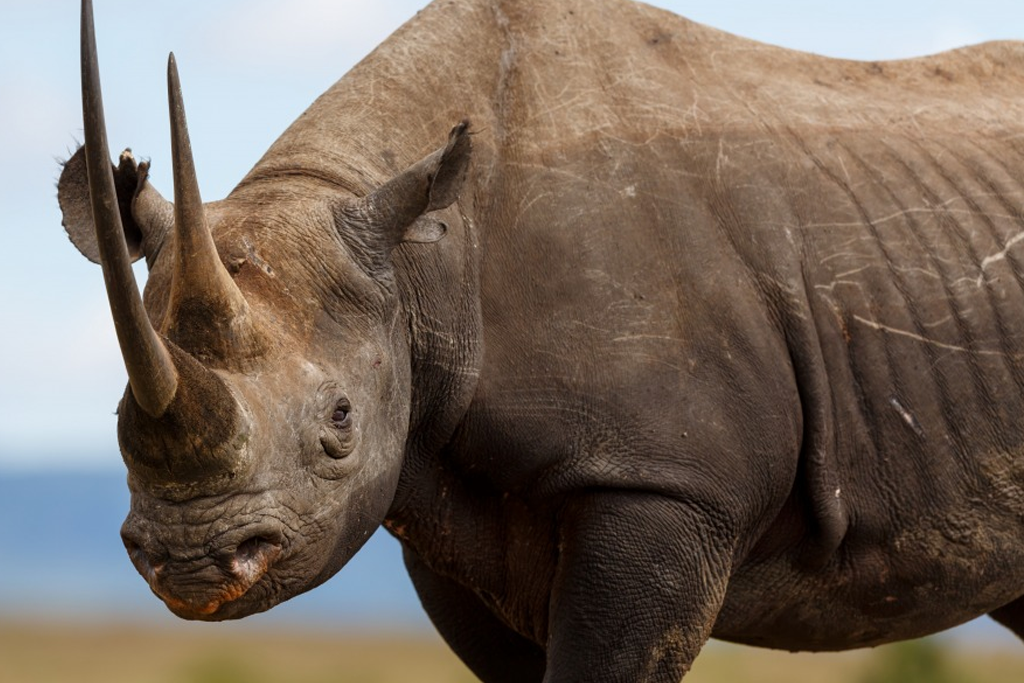
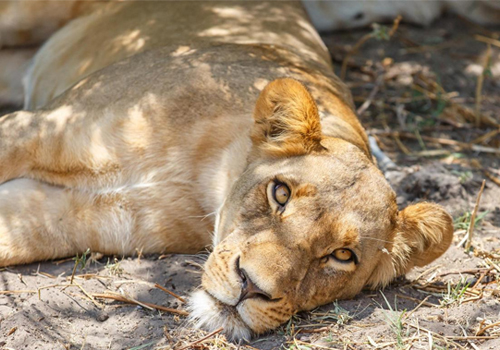
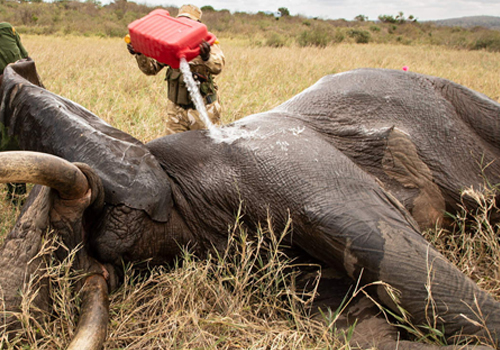
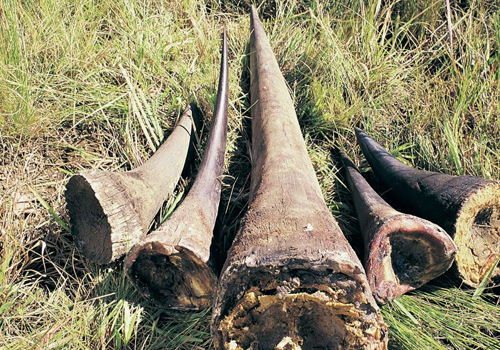
Poaching in the Serengeti not only threatens wildlife populations but also disrupts the delicate ecological balance. Species such as elephants, rhinos, and various antelope are particularly vulnerable. The loss of these animals can lead to cascading effects on the ecosystem, including reduced biodiversity and altered habitat dynamics.
Poaching is often deeply embedded in local culture and traditions. For many, it is not just a means of income but also a practice passed down through generations. Changing this mindset requires not only providing economic alternatives but also fostering a sense of pride and responsibility towards wildlife conservation. Engaging with community leaders and incorporating traditional knowledge into conservation strategies are essential components of this process.
Education is a powerful tool in changing attitudes and behaviors. The project will educate beneficiaries and the broader community about the importance of preserving wildlife and natural habitats. Understanding the ecological, economic, and cultural value of conservation will encourage community members to participate actively in protecting their environment.
Sustainable conservation requires the support and involvement of local communities. By engaging residents in conservation efforts, raising awareness through workshops and campaigns, and involving schools, the project aims to build a community-driven approach to environmental stewardship. Empowering local communities fosters a sense of pride and ownership, making conservation efforts more effective and sustainable.
Effective anti-poaching measures require collaboration between conservation organizations and local authorities. By working closely with government bodies, the project will enhance enforcement efforts, develop supportive policies, and ensure a coordinated approach to conservation.